
Supply chain
Supply chain resilience and responsiveness go hand in hand
S Faraz Ali · October 16, 2023
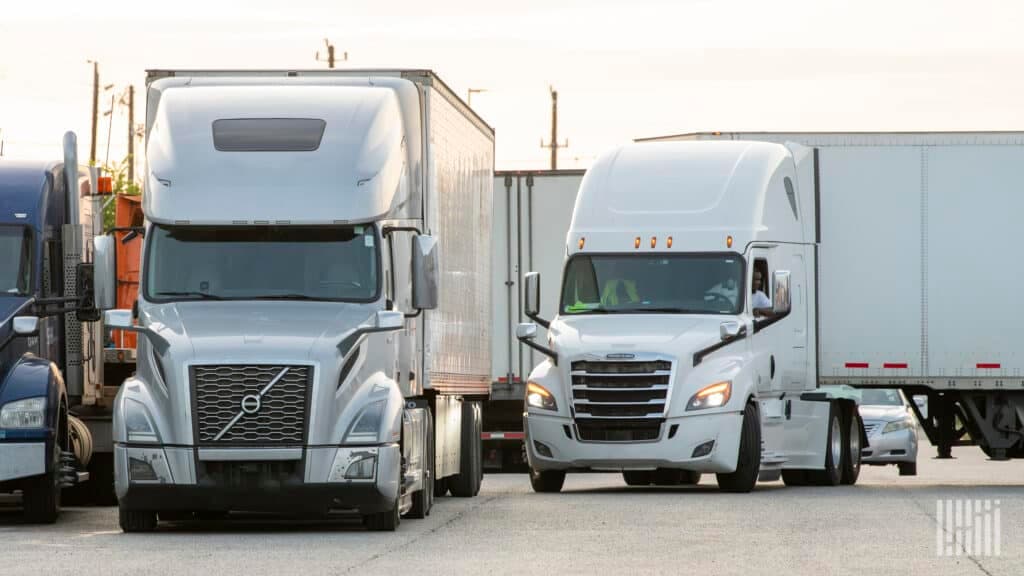
This GTS note discusses themes covered in FreightWaves reporting on transportation visibility and market data. It is a short briefing for carriers, not a reprint of that reporting.
Shippers often talk about resilience and responsiveness as if they were opposites: extra slack for bad days, or a team that reacts when a truck misses a dock. In practice, the carriers who stay calm have both, and the glue is information that moves faster than the freight.
A late inbound truck is the small version of the problem. If the appointment, the warehouse, and the dispatcher can see the same delay, the dock can be rebuilt and the product does not sit invisible for a day. That is ordinary dispatch work done with a shared picture.
The larger version shows up when capacity gets tight. Market signals such as rising tender rejections tell a shipper that contracted trucks may start saying no, and they tell a carrier that spot opportunities are about to pay differently. GTS watches those shifts so lane plans stay honest instead of hopeful.
For owner-operators, the lesson is practical. Keep documents, fuel, and trip notes organized, stay reachable, and let your dispatcher adjust the next load before a missed appointment turns into a deduction. Resilience is not unused capacity. It is a plan that can change without losing the week.